Alive City: The Electronic People
by ashley liu
This exhibition has been translated from its original language into English.
Report consolidated from Excavation III on Planet Earth. Includes visual representations of findings along with their descriptions.
Earthians harnessed the energy of lightning to power their society. Complex networks of electric veins weaved together their cities: planned layouts of constantly shifting structures. Underground systems of controls operated the visual layout of the mobile city landscape and architecture.
Earthian society was highly organized and utilized standardized technologies. The people were highly integrated with signal-driven networks through both personal devices and city-wide frameworks. The electronic components found by researchers varied in functionality.
The Cityscape
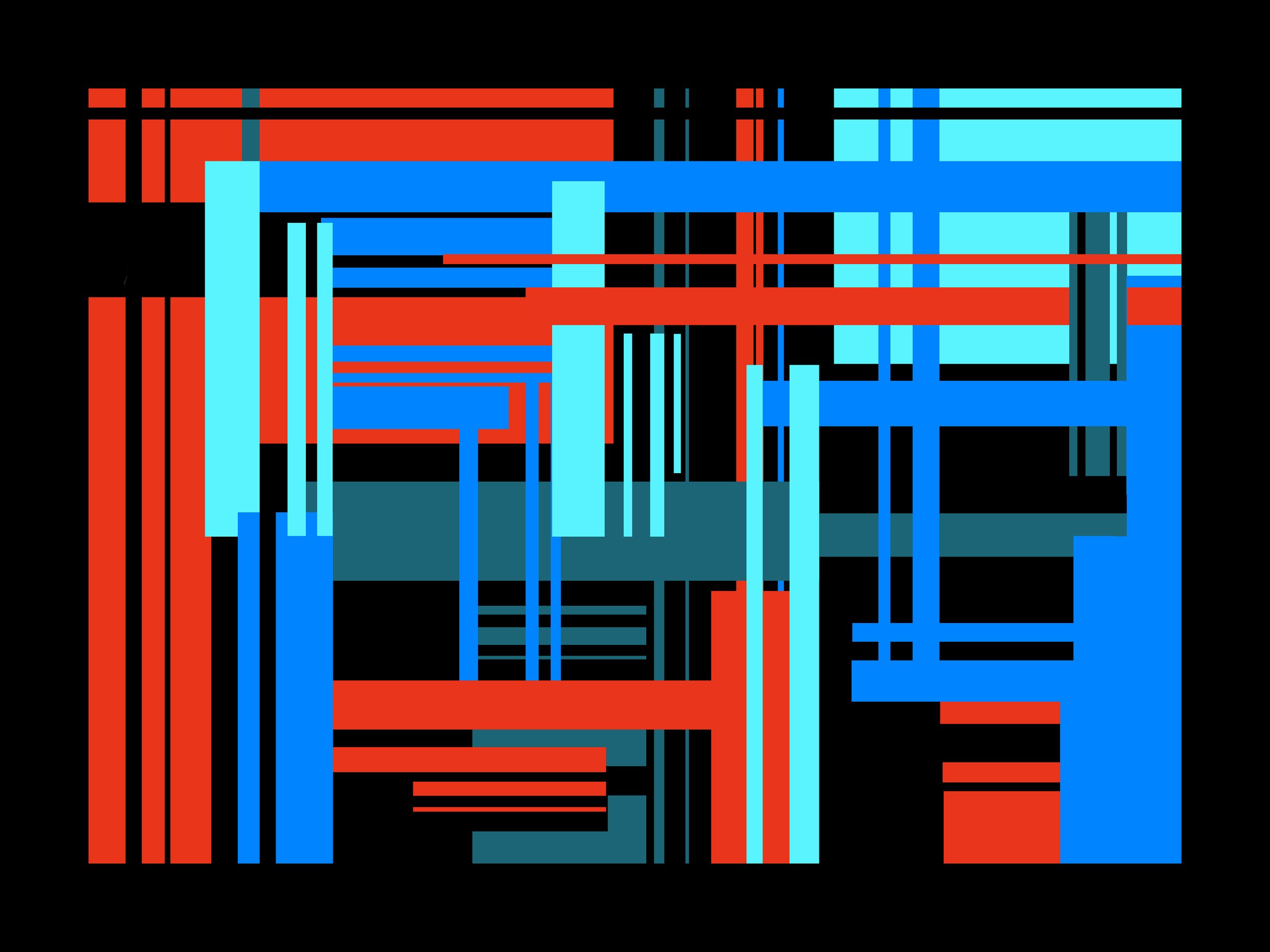
Earthian cities were generally well planned and arranged in grid-like arrays of buildings and pathways. Buildings exhibit a wide range of size, shape, and architectural styles, all of which the Earthians altered with electronic command. Buildings were structured in layers of floors for the purpose of electronic manipulation. These structures towered in impressive heights and held a great number of individuals in its workings. The organization of such cities and buildings reflect the Earthians’ emphasis on control, order, and geometry, as well as their proficiency in creating structures and complexes much larger than themselves.
Veinware
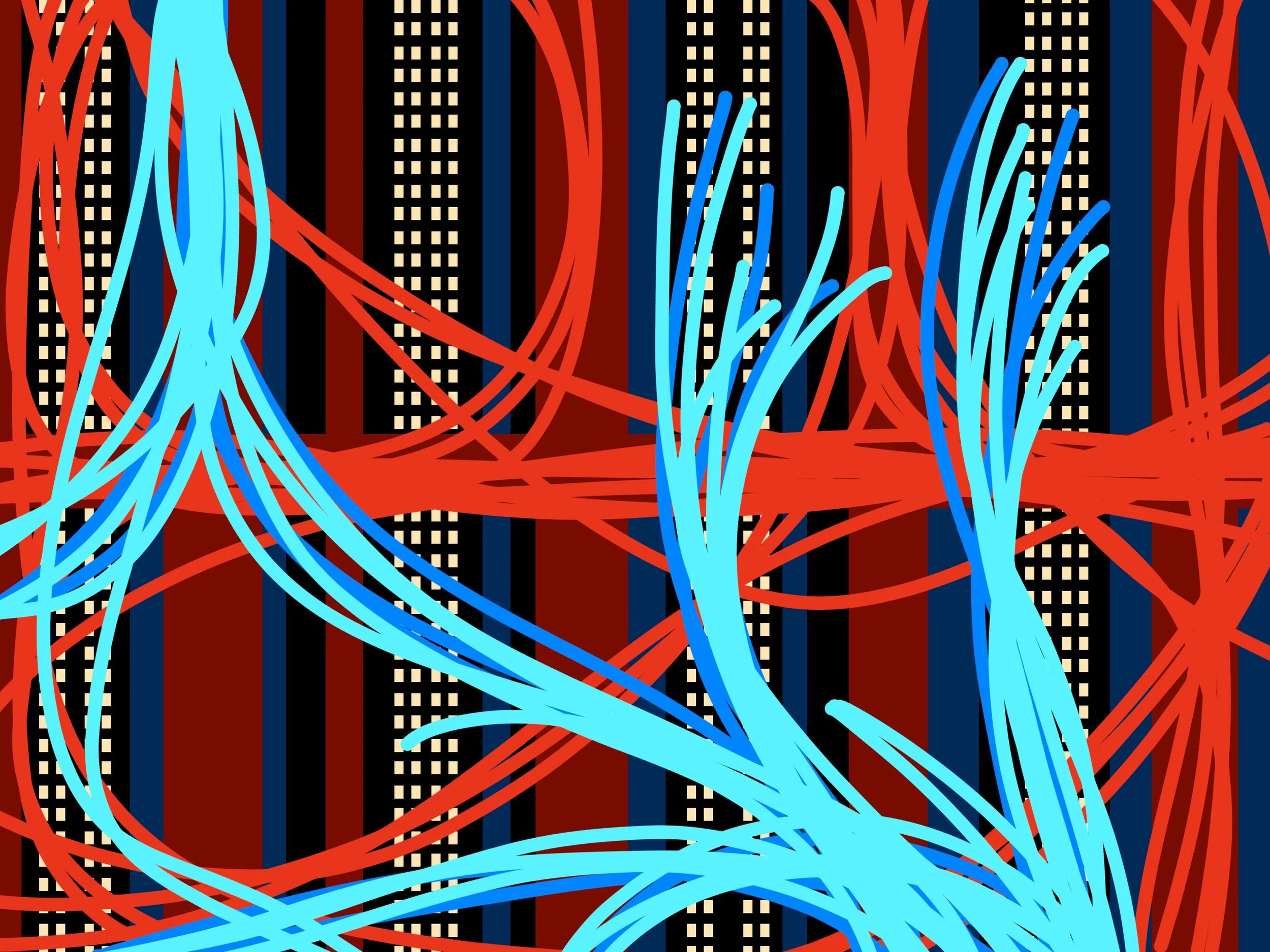
Intricate webs of veinware supplied all electronic devices with charged energy. All devices were rooted to veinware that snaked into the body of the electronic network. The long, thin tubes of filament crisscross, intertwine, merge, and split upon itself, constructing essentially the blood vessels of the city.
Eyelight
An abundant supply of these globular devices were found throughout the urban ruins, some of which still emit pale visual light rays. Commanded by analog switches, their yellow or pale blue glow scattered throughout buildings and roads. They shine as solitary bulbs, as if they themselves saw the movements of the city within the darkness.
Eyelights may have served both decorative and functional purposes, such as signals for navigation. Smaller colored configurations of visual light emitters were found within various gadgets, suggesting their function as symbols or signifiers.
Mindboards
Mindboards were the foundation of electronic function hidden within most devices. As minuscule webs of veinware, they act as the brain of each technology. The Earthians’ ability to construct these intricate boards suggests their impressive networks of centralized manufacturing. Whether intentionally or unintentionally, they resemble the layout of Earthian cities in terms of rigid geometry.
Swirlshakers
Researchers found underground rooms lined with these large boxes, which contain a hollowed cylinder in its gut. Investigation reveals that the proper function of the device involves the spinning and shaking of the hollowed structure, as well as liquid oozing down into its contents. A room of these digestshakers would have created an aggressive rumbling, as if the stomach of a basement. It is unknown whether these devices digested contents such as trash or unused parts, or if their movements were part of the underground mechanisms that shifted the buildings.
Whisperers
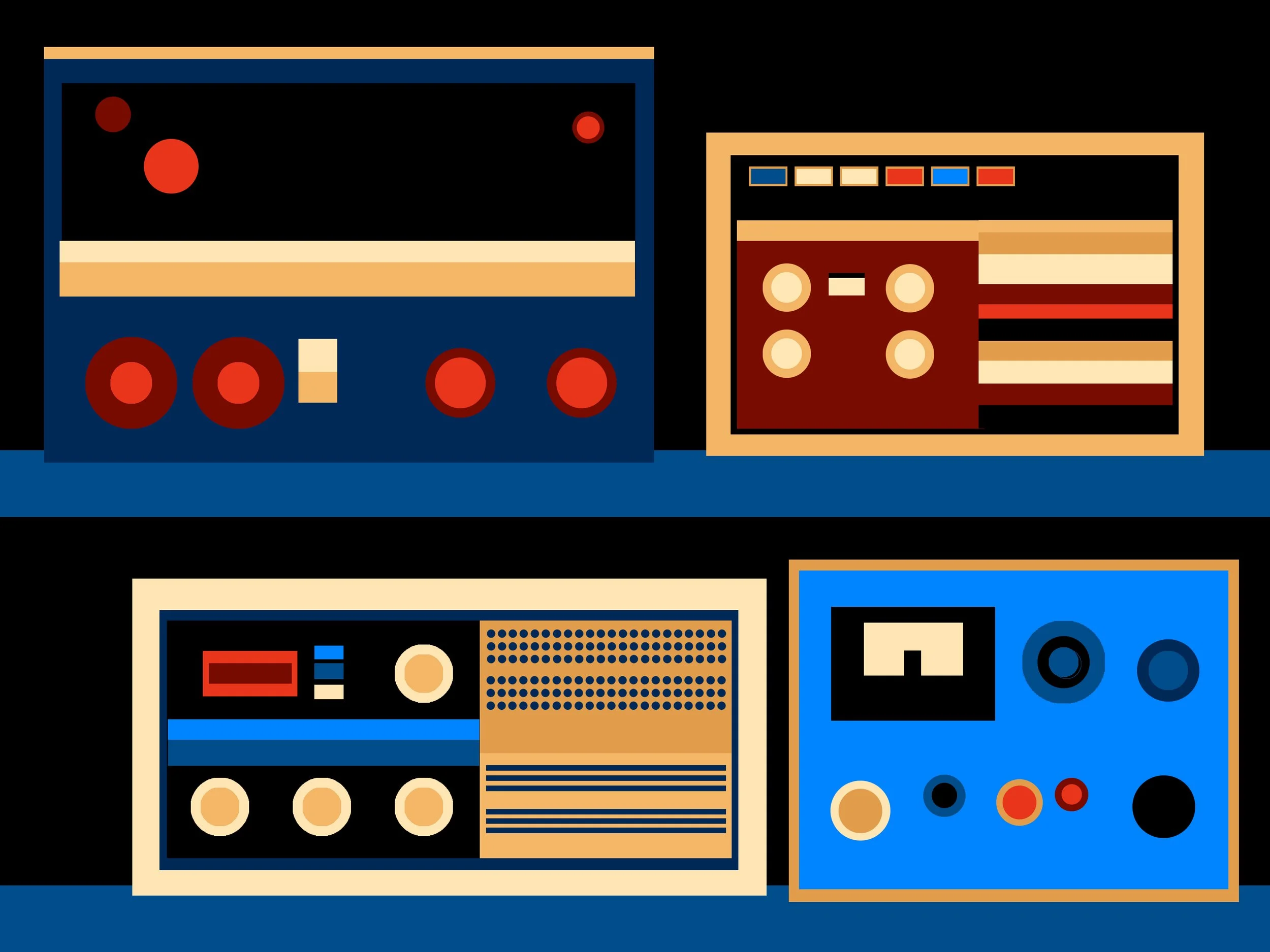
These devices produce coordinated sounds, unlike the heatbreathers and swirlshakers that hum and grumble as byproducts of motion. Researchers found whisperers scattered in rooms throughout buildings. Through the use of knobs and buttons, they can be calibrated to the radio resonance frequencies of the buildings themselves. This may have channeled the voices of the buildings: the whisperers extract fluctuating bursts of static.
Headboxes
The display face of a headbox consists of an array of minuscule eyelights that emit varying visible light frequencies. Powered by electricity flooding through its veinware and mindboards, headboxes glare with light into rooms throughout buildings. Perhaps the devices themselves were watching Earthians, or Earthian leaders used headboxes to survey the activities of the buildings.
Headboxes are especially complex in their construction. They are often attached to a multi-component body: these additional components provide finer controls to the display faces. The faces of these devices shift appearance, displaying images and ideas calibrated with the motions of the mindboards and the electromagnetic energy flowing throughout the building itself. The headboxes could have provided an additional avenue of communication between the Earthians and their infrastructure.
Veinboards
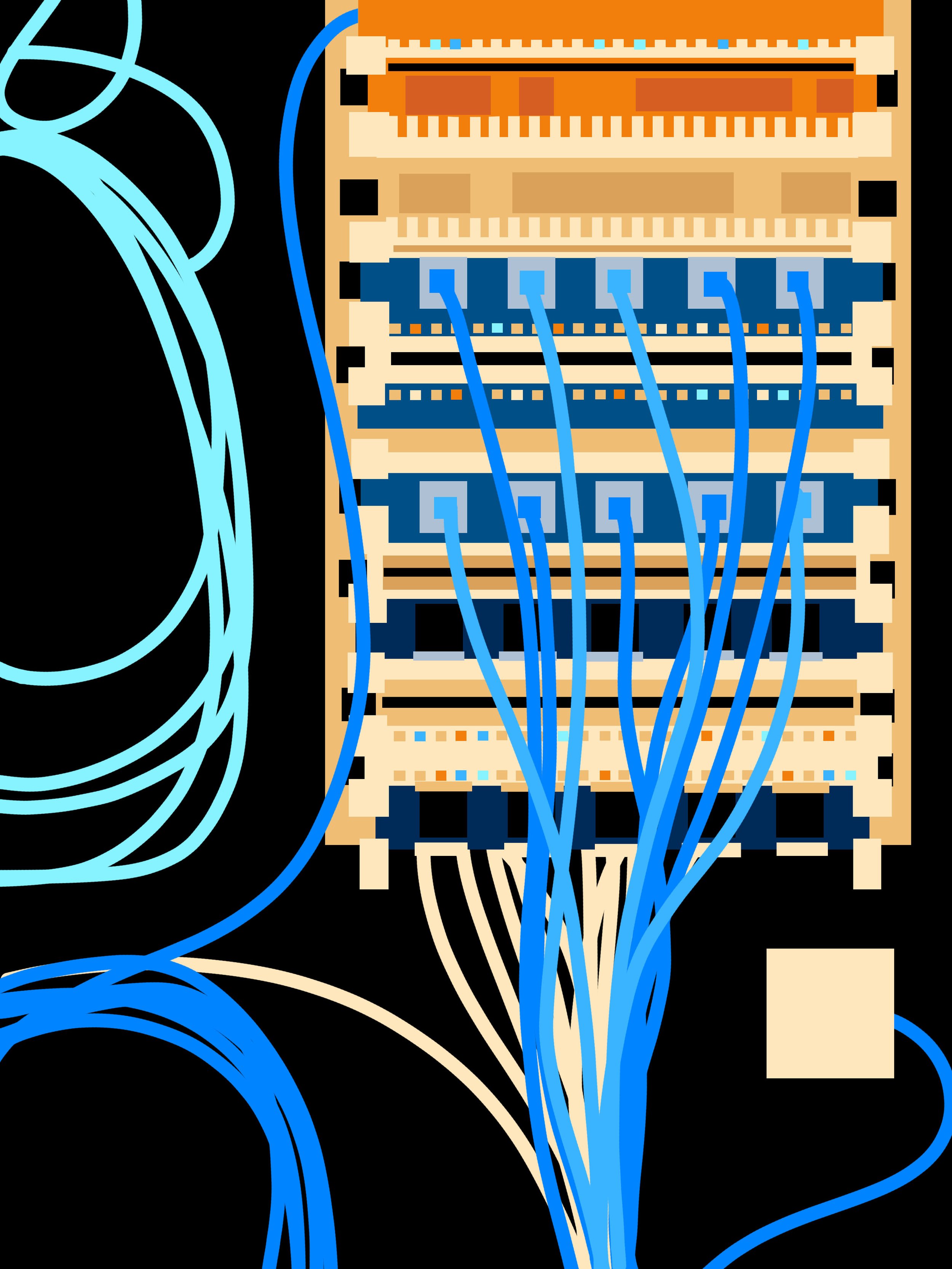
Veinboards are often concentrated in a control room dedicated to managing the electric streams of the entire building complex. The veinboard room is the administrative center of the mobile structure: Earthians operate the elaborate system through which the building may move, shift, whisper, and hum. The structure of a veinboard consists of intricate grids of compartments that connect to tendrils of veinware, rigorously organized in a foreign code of varying colors and spacing. Eyelights and knobs seem to serve symbolic purposes on the boards as well. Each thread of veinware extends from the rows of tall veinboards into the flesh of the building’s walls, then supplies power to all devices. The minute arrangements of the veinboard room once again exhibit the organized command the Earthians held over their intricate structures.
The vast technological networks of Earthians suggest their ability and inclination to command essential forces to their own will. Although the cause of their downfall is unknown, researchers believe that they may have suffered consequences of the monstrous electrical complexes of their creation.